
Running a payments stack with more than one processor sounds like a smart way to cover more markets. In practice, it often turns into a paperwork headache. Mangopay, a wallet-first payment infrastructure built for enterprise platforms, has rolled out a new tool called Echo that is meant to fix exactly that problem, giving businesses a single dashboard for multi-PSP payment management instead of juggling separate systems for every provider they use.
Key takeaways
- Mangopay has launched Echo, a solution that centralizes payments processed by multiple PSPs into one place for reconciliation, wallet allocation, splits, and payouts.
- Echo does not replace existing PSPs — it centralizes what happens after a payment is accepted, while providers keep handling pay-ins.
- According to Mangopay research, 86% of enterprise platforms still rely on manual reconciliation, and 30% say better visibility over money flows would have the biggest impact on their operations.
- Andy Wiggan, Mangopay’s Chief Product Officer, said Echo is designed to cut the operational costs and inefficiencies tied to managing several payment providers at once.
Mangopay Launches Echo to Centralize Multi-PSP Payment Management
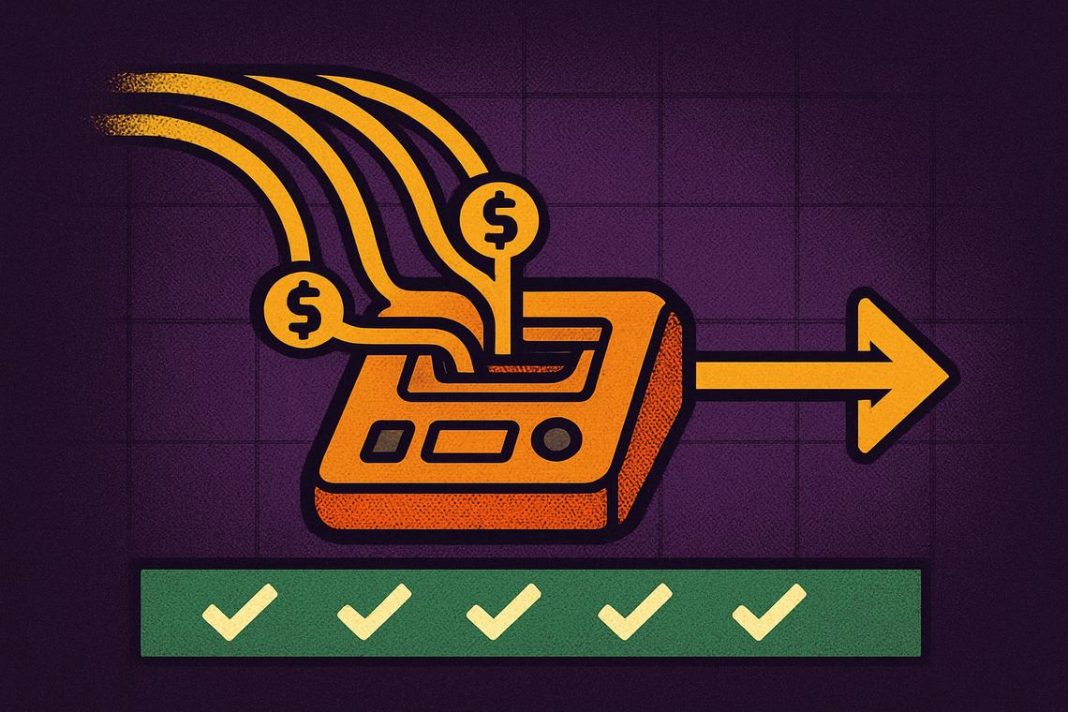
Echo is a new product from Mangopay built to let platforms manage payments processed by their existing PSPs in a single environment, covering reconciliation, wallet allocation, payment splits, and payouts. Instead of tracking each provider separately, businesses get one system that pulls all of that activity together.
The launch responds to a pattern that has become common across the platform economy. Many businesses work with several PSPs at the same time to reach different markets, offer local payment methods, and push up acceptance rates. That strategy tends to work well on the customer-facing side. Behind the scenes, though, rising transaction volumes combined with multiple providers can make the post-acceptance process fragmented, with information scattered across separate systems, reports, and settlement processes.
Why This Fragmentation Matters
This is where the real cost shows up. Every additional PSP typically brings its own reconciliation process and its own data structure, meaning finance teams end up reassembling a full picture of their money flows by hand. That is a slow, error-prone way to run payment operations at scale, and it is precisely the gap Echo is designed to close.
How Echo Changes Payment Post-Processing Without Disrupting PSP Acceptance
Echo does not ask platforms to rip out their current payment setup. PSPs keep processing pay-ins exactly as before; what changes is everything that happens once a payment lands. Mangopay’s infrastructure becomes the point from which the platform manages that downstream money movement.
Maintaining Existing PSP Setups While Centralizing Money Movement
In practical terms, Echo builds one clear record of where funds sit, who they belong to, and when they can be released to the correct user’s account. That structure effectively separates two jobs that used to be tangled together: payment acceptance, which stays with the PSPs, and post-payment money movement, which platforms can now manage through Mangopay. The distinction matters because it lets businesses keep the providers that best serve their markets without inheriting a new layer of reconciliation work every time they add one.
Operational Benefits and Market Impact of Echo
The case for a tool like Echo rests on numbers Mangopay itself has gathered from the sector. According to the company’s research, 86% of enterprise platforms still rely on manual reconciliation, a figure that points to just how much of this work still happens outside automated systems. On top of that, 30% of platforms identified better visibility over money flows as the single change that would make the biggest difference to their payment operations.
Research Insights on Payment Reconciliation Challenges
Those two data points frame the problem Echo is aimed at solving. Manual reconciliation at that scale suggests plenty of room for costly mistakes and slow settlement cycles, while the demand for clearer visibility shows that platforms themselves recognize the gap. Mangopay says it has spent more than a decade supporting platforms through the complexities that come with multi-party payment flows, and Echo is presented as the next step in that effort.
Andy Wiggan, Mangopay’s Chief Product Officer, connected the product directly to that operational burden. “Scaling platforms operate in a large and competitive landscape, with more providers to choose from as per their payments needs. Yet they pay for being spoiled for choice with operational costs and inefficiency. Each new payment provider means another reconciliation process, or another data structure that platforms need to adapt to. We built Echo to break that pattern and give platforms a flexible way to reduce operational costs from managing payment flows through multiple providers, while preserving their freedom to choose the providers that best support their business strategy,” he said.
A Strategic Shift Toward Scalable Payment Models
Taken together, these pieces point to a broader shift in how platforms might structure their payment operations going forward. Rather than treating every new PSP relationship as an added administrative burden, Echo frames money movement as something platforms can manage independently of how many providers sit on the acceptance side. Payment providers keep their role processing transactions, and platforms keep control over how funds move between users, partners, and their own business.
For an industry where adding payment options is often necessary just to stay competitive, that separation could matter a lot. It suggests a model where growth in provider relationships does not automatically translate into proportional growth in operational overhead — a trade-off that has, according to Mangopay’s own figures, weighed on a large share of enterprise platforms until now. Whether Echo delivers on that promise at scale will likely depend on how platforms integrate it alongside the PSPs they already rely on, an area where more detail is likely to emerge as adoption develops.
FAQ
What is Mangopay Echo?
Echo is a solution that centralizes and manages payments processed by multiple PSPs in one place for reconciliation, wallet allocation, splits, and payouts.
How does Echo improve multi-PSP payment management?
Echo keeps existing PSP payment acceptance intact while centralizing post-payment money movement management through Mangopay’s infrastructure.
Why do platforms need a solution like Echo?
Platforms use multiple PSPs for market coverage and local payment methods, which creates fragmented reconciliation and operational inefficiencies.
What operational benefits does Echo offer?
Echo reduces operational costs and inefficiencies by providing a flexible way to manage payment flows through multiple providers and improves visibility over money movements.
Article produced with the assistance of artificial intelligence and reviewed by the editorial team.