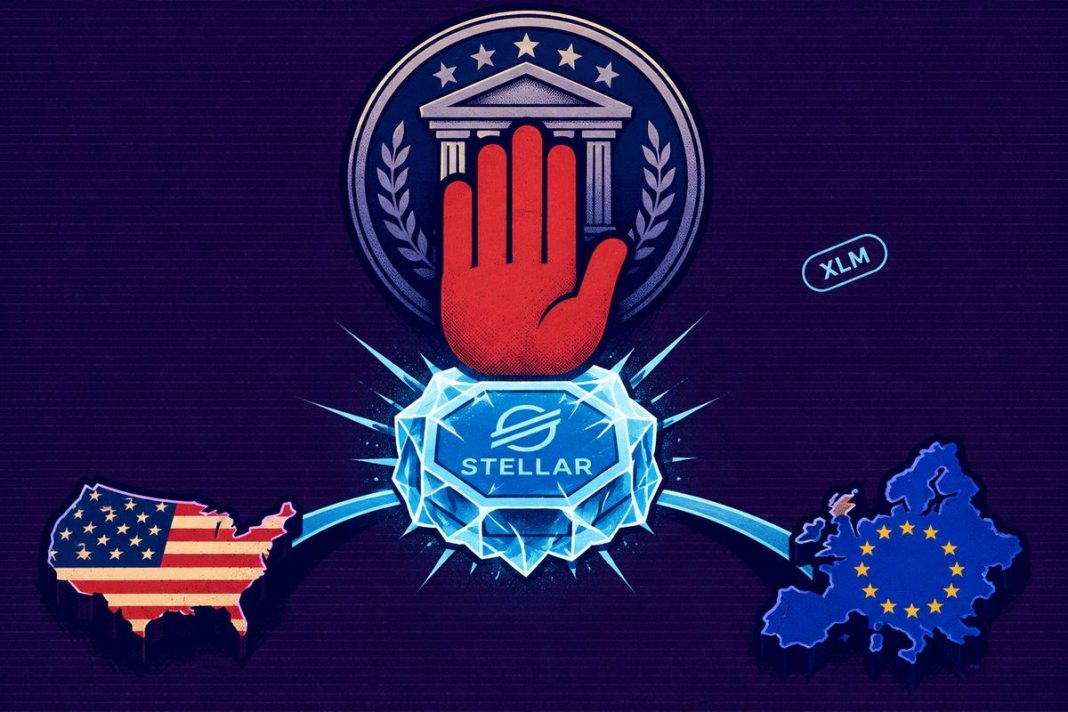

US Bank has chosen Stellar for its USBDC stablecoin, with asset freezing, clawback functionality and compliance requirements among the reasons behind the decision. Information shared by Tokenicer points to a network choice driven by the operational needs of regulated banking.
The bank’s head of digital assets explained the selection in the discussion referenced by Tokenicer. Moving past the proposal stage, US Bank has already put USBDC through a live cross-border pilot that involved its entities in both the US and the EU.
US Bank’s Stellar stablecoin choice puts compliance first
Asset freezing and clawback functionality featured among the reasons US Bank selected Stellar for its stablecoin. The decision brings the network into the bank’s distributed ledger technology plans.
For regulated banks, blockchain selection involves requirements that differ from those of many retail crypto projects. Compliance obligations, along with processes for handling disputed transactions and certain security incidents, influence which network capabilities matter.
Tokenicer’s commentary highlights that divide. Many crypto users view freezing and clawbacks as centralized controls; banks can instead assess those features against their operational duties. In this case, the bank’s digital assets head identified those controls alongside compliance as reasons for choosing Stellar.
US Bank is among the largest banks in the United States, according to Tokenicer’s post. Its selection gives Stellar a specific institutional use case within a major bank’s technology plans.
USBDC crosses borders in a live pilot
The USBDC cross-border pilot involved US Bank’s US and EU entities. That live test establishes practical use beyond the conceptual stage, but does not by itself establish a wider commercial rollout.
The distinction also matters when assessing the relationship between US Bank’s stablecoin on Stellar and the network’s native token. USBDC and XLM are separate assets: activity in the stablecoin does not automatically create additional demand for XLM.
The concrete development is the bank’s combination of network selection and cross-border testing: Stellar is part of its distributed ledger plans, and USBDC has been used in a live pilot between its US and EU entities.
Article produced with the assistance of artificial intelligence and reviewed by the editorial team.