
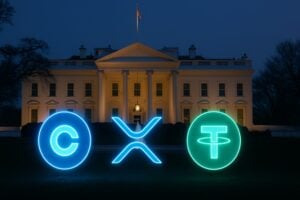

A BBC report on Oct.24, 2025 lists crypto donors on a private donor list tied to a $300M White House ballroom project. The disclosure has sharpened debate over access and transparency.
What did the BBC report reveal about Trump White House donors?
The BBC report cites a circulated private donor list that includes major tech and finance names and, reportedly, several crypto firms. The file is said to cover contributions connected to a 90,000-square-foot site and the construction of a $300M ballroom on White House grounds.
Coinbase among the crypto donors?
The document names Coinbase, Ripple and Tether as affiliated with the donor list, though the BBC and other outlets note that public confirmation of transactions is still pending.
Observers say an exchange-level donation or sponsorship can trigger questions about regulatory influence.
How does crypto lobbying in Washington relate to donor transparency concerns?
Advocates for disclosure argue that private funding for high-profile projects creates avenues for privileged access. Critics warn that opaque gifts can blur lines between legitimate engagement and pay-for-access politics involving President Trump and senior officials.
Industry defenders counter that corporate outreach is routine; still, the presence of major digital-asset names has amplified calls for clearer reporting on political spending and lobbying ties. (A related case can be found in the UK: Crypto donation sparks scrutiny of Reform UK funding and AML oversight.)
What are the policy implications for Ripple, Tether and crypto platforms?
Regulators are likely to sharpen scrutiny of how contributions, sponsorships and meetings intersect with formal lobbying disclosures.
Firms named—including Coinbase, Ripple and Tether—may face intensified questions about internal compliance and public disclosure. Platforms previously engaged in political activity have had to navigate similar debate.
In brief: the naming of crypto firms in donor records will likely prompt legislative and watchdog reviews.
Expect renewed pressure for stricter disclosure rules and closer oversight of crypto lobbying.