


Two convicted fraudsters have been ordered to hand back more than £850,000 after a UK regulator secured confiscation orders tied to a fake cryptocurrency investment scheme that drained the savings of dozens of ordinary investors. The case marks a significant moment in crypto fraud recovery efforts in Britain, showing how financial watchdogs are increasingly able to claw back money from criminals long after the original scam has collapsed.
Key takeaways
- The Financial Conduct Authority obtained confiscation orders against Raymondip Bedi and Patrick Mavanga at Southwark Crown Court on 28 September 2026.
- Bedi was ordered to repay £603,404.28 and Mavanga £247,997.99, together totalling more than £851,000.
- At least 65 investors lost £1,541,799 between February 2017 and June 2019 through cold-calling tactics tied to CCX Capital and Astaria Group LLP.
- Bedi and Mavanga were already sentenced to prison in July 2025, receiving 5 years and 4 months, and 6 years and 6 months respectively.
- The FCA says it will return recovered funds to victims as part of its ongoing crypto fraud recovery process.
FCA recovers over £850,000 through confiscation orders in crypto fraud case
The FCA’s latest move against Bedi and Mavanga is not a new prosecution but the financial follow-through to a case already settled in criminal court. At the Southwark Crown Court hearing, the regulator secured confiscation orders requiring Bedi to pay £603,404.28 and Mavanga to pay £247,997.99, according to the FCA. Together, the two orders add up to more than £851,000 destined to flow back toward the people who lost money in the scheme.
Details of confiscation amounts and recipients
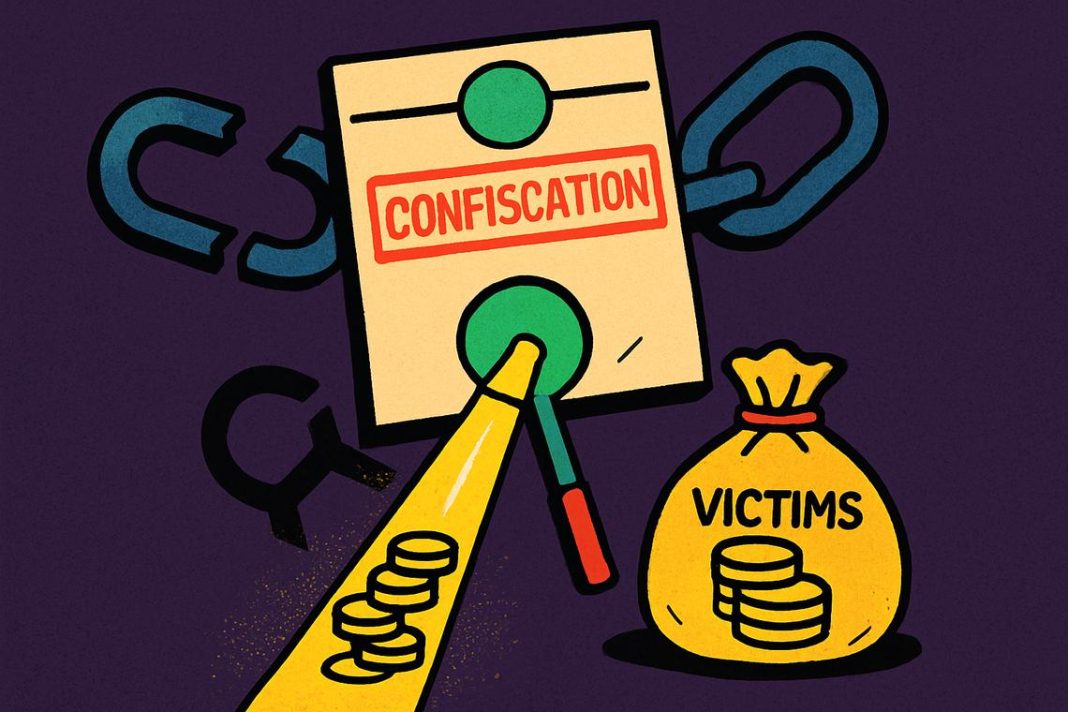
This is where the case becomes genuinely useful for crypto fraud recovery as a broader concept: confiscation orders don’t just punish offenders, they create a legal mechanism for redistributing seized assets to victims. The FCA has stated it will ensure that funds recovered through this confiscation process are returned to the people defrauded. That distinction matters. A prison sentence closes a criminal case, but confiscation orders are what actually put money back in victims’ pockets.
Fraud scheme defrauded at least 65 investors of over £1.5 million
Behind the confiscation figures sits a scheme that ran for more than two years and touched at least 65 people, who between them lost £1,541,799. Bedi and Mavanga operated the fraudulent investment scheme from February 2017 through June 2019, according to the FCA.
Modus operandi involving cold-calling and fake crypto investment companies
The method was straightforward and, unfortunately, familiar to anyone tracking crypto investment scam patterns in the UK: cold-calling consumers out of the blue and persuading them to put money into cryptoasset opportunities that didn’t actually exist as advertised. The pair channelled these pitches through companies including CCX Capital and Astaria Group LLP, according to the FCA. Once investors handed over funds, the promised crypto opportunities never materialized as described, leaving victims out of pocket by well over a million and a half pounds combined.
This pattern — unsolicited calls, invented investment vehicles, and the veneer of legitimate-sounding company names — remains one of the most common entry points for crypto fraud in the UK. It also explains why UK crypto regulation continues to lean heavily on enforcement actions rather than relying solely on public awareness campaigns, since cold-calling scams often target people with little prior exposure to digital assets.
Legal consequences and FCA’s commitment to combating crypto fraud
Long before this month’s confiscation order, Bedi and Mavanga had already faced serious repercussions when they were jailed back in July 2025. The FCA’s prosecution resulted in Raymondip Bedi receiving a 5-year, 4-month prison term, whereas Patrick Mavanga was handed 6 years and 6 months for his part in the scheme.
Sentencing details of convicted fraudsters
The gap between sentencing and confiscation reflects how these cases typically unfold. Criminal courts establish guilt and impose custodial terms first; the financial reckoning through confiscation proceedings can take additional time to work through the legal process, which is exactly what happened here, with the confiscation hearing arriving more than a year after sentencing.
FCA enforcement and victim support efforts
Steve Smart, executive director of enforcement and market oversight at the FCA, framed the outcome as part of a wider pattern of pursuing fraudsters even after conviction. “Bedi and Mavanga defrauded investors and left them out of pocket. These orders bring victims a step closer to getting money back. We’ll keep coming after fraudsters and holding them to account,” Smart said.
That last line signals something worth paying attention to: the FCA’s willingness to keep pursuing financial remedies well after a criminal case has concluded. For investors burned by similar schemes, this case is a reminder that crypto fraud recovery isn’t necessarily a lost cause, even when the original perpetrators are already behind bars. The FCA has said it identified and contacted victims of the fraud directly, a step that underscores how enforcement agencies are trying to close the loop between prosecution and actual restitution.
Why this matters beyond the specific case: as cryptoasset scams continue targeting UK consumers through cold calls and dressed-up investment firms, confiscation orders like these give regulators a concrete tool to demonstrate that fraud has consequences beyond jail time. Whether that deters future schemes remains to be seen, but for the 65 investors named in this case, the £851,000 total recovered represents tangible progress toward recouping some of what they lost.
FAQ
Who were the perpetrators in the FCA crypto fraud case?
Raymondip Bedi and Patrick Mavanga operated the fraudulent crypto investment scheme.
How much money did the victims lose in the crypto fraud?
At least 65 investors lost £1,541,799 through the fraudulent scheme.
What legal actions did the FCA take against the fraudsters?
The FCA obtained confiscation orders and Bedi and Mavanga were sentenced to prison terms.
Will the victims recover their lost funds?
Yes, the FCA will ensure recovered funds from confiscation orders are returned to the victims.
Article produced with the assistance of artificial intelligence and reviewed by the editorial team.