

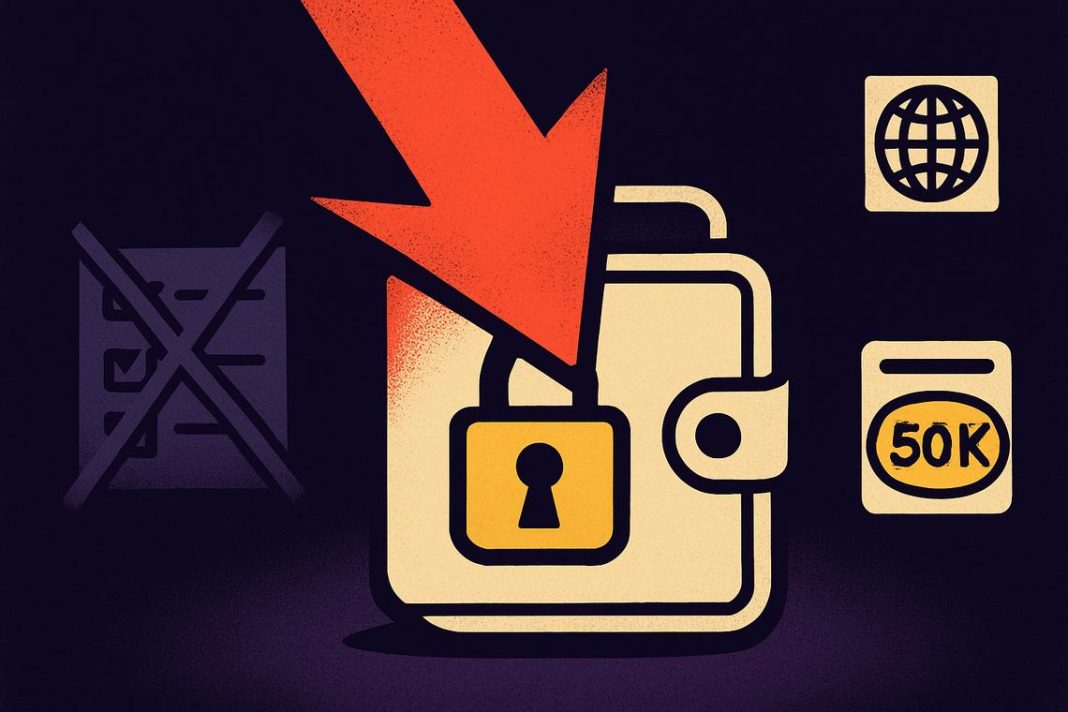

Spain has drawn a clear line between digital assets that stay under an owner’s direct control and those parked with outside platforms, and the distinction is reshaping how the country handles crypto disclosure in Spain for foreign-held holdings. According to a report from Coin Bureau on X, Spanish authorities have confirmed that cryptocurrency kept in self-custody wallets is exempt from the foreign asset disclosure rules that otherwise apply to overseas holdings.
Key takeaways
- Spain has clarified that cryptocurrency stored in self-custody wallets does not fall under the disclosure obligations for foreign-held assets.
- Once holdings surpass €50,000, crypto kept with custodians abroad could still trigger a reporting requirement.
- No filing obligation applies when assets are purchased and completely liquidated on overseas exchanges within the same tax year.
- Under these regulations, reporting obligations differ depending on whether assets are self-custodied or held through third parties.
- The €50,000 threshold functions as the key trigger point for mandatory reporting of crypto held abroad.
Spain’s exemption for self-custody crypto assets
Crypto stored in a self-custody wallet does not need to be declared as a foreign asset under the newly confirmed Spanish approach. That means holders who keep their own private keys, rather than relying on an exchange or custodial platform based outside Spain, fall outside the scope of the country’s foreign asset reporting regime for those particular holdings.
This matters because Spain’s disclosure framework has historically targeted assets held through external institutions, financial accounts and custodial arrangements abroad. By carving out self-custody wallets, the confirmation effectively separates crypto self-custody from the category of foreign-held financial assets that trigger reporting obligations, at least for now.
For everyday holders, this is the headline change: wallets you control yourself, without a third party holding the keys, sit outside the disclosure net that applies to accounts or holdings parked with foreign providers.
Disclosure requirements for crypto held with foreign custodians
Holding crypto through a foreign custodian is a different story, and the €50,000 threshold is where the reporting obligation kicks in. Once a taxpayer’s crypto assets held with a foreign custodian cross that mark, disclosure becomes a requirement rather than an option.
This creates a two-tier system for Spanish taxpayers navigating crypto disclosure in Spain rules: self-custody stays exempt, but assets sitting with an overseas exchange or custodial service face reporting duties once their value passes the €50,000 line. The distinction places real weight on where — and with whom — an investor chooses to store their holdings.
In practice, this means the custody arrangement itself, not just the value of the assets, decides whether a filing is needed. Two investors holding identical amounts of crypto could face very different disclosure outcomes purely based on whether their coins sit in a personal wallet or on a foreign platform’s books.
No filing needed for assets fully traded within the same year on foreign exchanges
Crypto that is bought and then fully sold on a foreign exchange within the same calendar year does not require any disclosure filing. This exemption applies regardless of the €50,000 threshold that governs longer-held custodial positions, since the assets in question no longer exist in the taxpayer’s portfolio by year’s end.
For active traders who move in and out of positions on international platforms, this rule offers a practical carve-out. It suggests that Spain’s disclosure framework is built around what a taxpayer actually holds at the relevant reporting point, rather than every transaction that passed through a foreign exchange during the year.
What this clarity means for crypto holders
Taken together, these three rules give Spanish crypto holders a clearer map of when disclosure is actually required. Self-custody wallets are exempt outright. Foreign custodial holdings above €50,000 need to be declared. And positions fully closed out within the same year on foreign exchanges avoid filing altogether.
This clarity could influence how investors structure their holdings going forward, since the choice between self-custody and a foreign custodian now carries a direct compliance consequence, not just a security or convenience trade-off. For a market where custody decisions are often driven by usability, adding a disclosure dimension to that choice is a meaningful shift in how Spanish taxpayers are likely to think about where they keep their crypto.
FAQ
Are crypto assets in self-custody wallets subject to foreign asset disclosure in Spain?
No, Spain exempts crypto held in self-custody wallets from foreign asset disclosures.
When do crypto holdings with foreign custodians require disclosure in Spain?
Crypto held with foreign custodians may require disclosure if holdings exceed €50,000.
Is it necessary to file disclosure for assets bought and sold within the same year on foreign exchanges?
No, assets bought and fully sold on foreign exchanges within the same year require no filing.
Article produced with the assistance of artificial intelligence and reviewed by the editorial team.